The exhaustion that never goes away, lab results covered in numbers that don't mean much to you and no idea of who to even call - many patients live with this for years before they get any answers. The World Health Organization has actually identified iron deficiency as the most widespread nutritional problem in the world, and yet the brain fog, the tiredness and the restless nights can easily pass for just being too busy. A 2024 study found that nearly one in three adults in the United States may be iron deficient.
Part of what makes iron deficiency quite easy to miss is that it almost never announces itself all at once. Symptoms like fatigue, a foggy head and general weakness usually creep in slowly over time - slowly enough that you just put them down to a rough week and move on. University of Minnesota hematologist Dr. Ariela Marshall outlined the full symptom picture in October 2026 (everything from day-to-day tiredness and brain fog to an unusual craving to chew on ice) and said that quite a few patients carry these symptoms for months or even years before getting a diagnosis. The right specialist is what usually makes the difference.
Which doctor is the right fit for you can depend on what your blood work shows - and more importantly, what's driving the deficiency. Whether it's a diet issue, an absorption problem, blood loss or something else, a conversation with the right person is usually what gets you answers - and genuine relief for many.
Let's talk about what (and who) can help with your iron deficiency!
Low Iron Symptoms That Are Easy to Miss
Plenty of these symptoms are mild enough that most of us just wave them off - that's why it's helpful to learn what a few of them are called.
Restless legs is a great one to start with. It's that almost impossible-to-ignore urge to move your legs at night - and research has linked it directly to low iron levels in the body. Most of us never connect those two issues, and it makes sense why not - it feels more like a minor annoyance than a medical symptom. The body has plenty of ways to signal that something is off, and restless legs is one of the more telling ones worth your attention.

If any of this feels familiar (the fatigue, the strange sensations at night and that persistent feeling that your energy just isn't there), make sure to mention it to a doctor. Plenty of us are a little nervous about booking an appointment for something like tiredness or for something as hard to describe as "my legs feel strange at night." Those are valid complaints, and your doctor will want to hear about them.
One piece of advice before your appointment - don't start taking iron supplements on your own just yet. It's a pretty common first instinct - your energy is low, iron seems like the logical answer, and the pharmacy is right there. The issue is that taking supplements before blood work is done can skew your results, and at that point it gets much harder for a doctor to pin down what's going on. A blood test done first gives you a starting point to work from - and from there, any treatment that you settle on will actually be built around the right problem.
Start With Your Own Doctor First
Your own doctor is the best place to start if low iron is something that you're concerned about. A couple of blood tests are all it takes to get a look at what's actually going on in your body.
The three most common tests are a ferritin test, a blood count and a serum iron test - and all three of them measure iron from a slightly different angle. Ferritin tells you how much iron your body has stored in reserve for when it's needed. A blood count takes a wider look at your red blood cells - specifically whether they're healthy and carrying oxygen the way they're supposed to. Serum iron is a bit different from the other two because it only measures the iron that's actively moving through your bloodstream at that exact point.

Ferritin reference ranges change from lab to lab, so what your doctor's office calls "normal" might not match what another lab considers normal. A result that looks fine on paper could still be on the lower end for your age, health history and lifestyle. It's always worth asking your doctor specifically which range they're working from and what they'd personally see as a healthy number for you. That one conversation can change quite a bit.
Your doctor will also want to figure out why your iron dropped in the first place. That question is the one that matters most in the whole appointment. The root cause is what ends up driving every choice that follows. A couple of direct questions prepared ahead - like "what do you think is behind this?" or "what can I expect from here?" - can make the whole visit a fair bit more worthwhile. Doctors tend to respond well to a patient who shows up ready to engage. You'll usually leave with better answers if you come prepared.
Should You See a Hematologist Next?
At some point, your primary care doctor may refer you to a hematologist (a doctor who specializes in blood). This referral usually comes up when your iron levels keep dropping even with treatment or when oral supplements just aren't making a difference.
Some patients' digestive systems don't absorb iron well. Gut conditions like celiac disease or inflammatory bowel disease can disrupt how well your body takes in iron, and at that point a supplement usually just won't be enough.

A hematologist might recommend intravenous iron as an alternative - and unlike oral supplements, it goes directly into your bloodstream. IV iron has a pretty strong track record - it tends to restore your levels faster, and the body absorbs it far more efficiently. The process is a bit more involved than a pill, but it's pretty easy once you're actually in the chair.
Iron infusions take place at a clinic or a hospital, and the whole appointment can run anywhere from 15 minutes to a few hours. A small needle goes into your arm and the iron gets delivered directly into your bloodstream as you sit back in a chair. Many patients head into their first one a little nervous (which is fair), and by the end most of them find the whole experience pretty easy.
Blood donors usually run a much higher chance of iron depletion than the average person. The REDS-II RISE study found low iron to be widespread in this group. That makes total sense since each donation physically pulls iron right out of their body. It's worth a conversation with your doctor if you donate regularly and you've felt tired or run down - don't write it off as general fatigue.
How a Dietitian Helps Fix Your Iron Intake
A registered dietitian is probably one of your best allies if low iron traces back to your diet. They'll take a full look at your eating habits and help you see where your nutrition is falling short.
Not all iron is created equal, and that matters quite a bit depending on where it comes from. Iron in meat and fish (called heme iron) gets absorbed by your body far more efficiently than the iron that you'll find in plant-based sources like beans or spinach. That second type is called non-heme iron, and it needs a little extra help from other foods to be absorbed as well.
The relationship between iron and what you eat alongside it can matter quite a bit. Take vitamin C as an example since it pairs well with plant-based iron sources and can meaningfully raise how much your body absorbs. Coffee, tea and calcium are another matter - all three can get in the way of iron absorption if you have them at the same meal as your iron-rich foods. A dietitian can explain the best timing for this.

Vegetarians and vegans usually fall into a higher - risk group for this very reason. A person can eat a vegetable-heavy diet and still run low on iron - it's a frustrating place to be if you feel like you're already doing everything right. Whole grains, legumes and leafy greens are all great foods that do plenty for your body. But they don't always deliver iron in a form that your body can use. Spinach is probably the most famous example of this.
The iron is actually in there (your body just can't absorb much of it) despite what those old cartoons led us to believe!
Your Gut and Low Iron Levels
Sometimes the problem comes down to what your body can do with the food that you eat. A gastroenterologist is a doctor who focuses on the digestive system. The gut is usually the first place to look if your iron levels just won't hold steady whatever you try.
Celiac disease and Crohn's disease can each damage the lining of your small intestine, and the lining is actually what pulls most of the iron out of your food. Once it's compromised, your body just can't absorb iron the way it's supposed to. What makes celiac disease especially hard to catch is that low iron is sometimes the only clue that anything is even wrong. There's no stomach pain and no digestive symptoms - just iron levels that come back low again and again, whatever you do.
Long-term acid reflux medication is another factor to consider here. Some of these drugs can lower the stomach acid that your body needs to absorb iron if you've been on them for months or years. It's a connection that many patients don't think to make - and a gastroenterologist is usually the one who catches it.
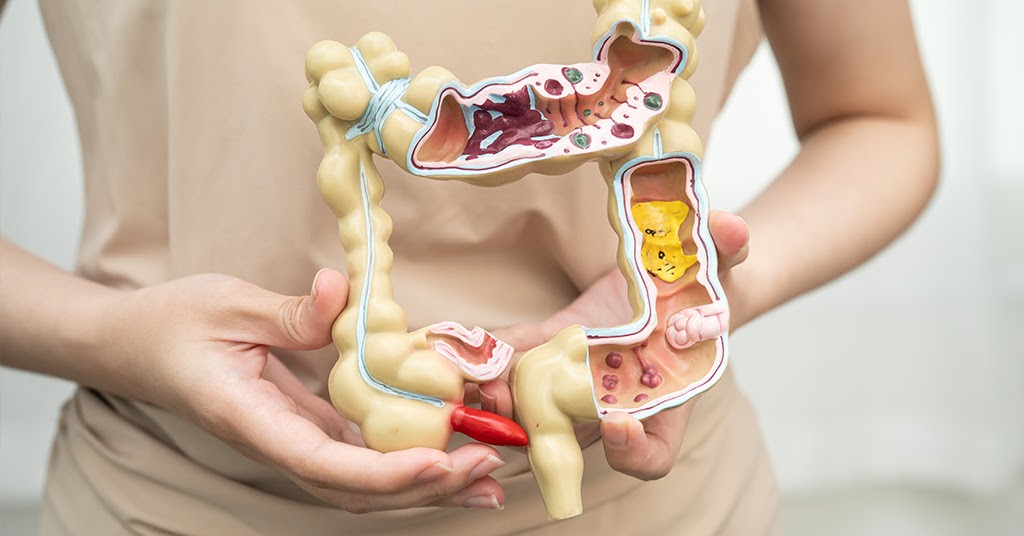
With older adults especially, doctors will usually check whether the gut is slowly leaking small amounts of blood - nothing visible or dramatic, just a slow leak that can pull iron stores down little by little without any warning signs along the way. A colonoscopy is usually where that investigation leads, and most adults aren't thrilled to hear that recommendation. Understandable as that reaction is, a colonoscopy remains one of the more reliable ways to figure out whether something like a polyp or low-grade internal bleeding in the colon is what's behind the iron loss.
Heavy Periods and Pregnancy Need a Doctor
Heavy periods and pregnancy are two of the most common reasons women lose more iron than their bodies can replace. That gap can grow quickly - the World Health Organization estimates that roughly 40% of pregnant women worldwide have anemia, and iron deficiency is the leading cause behind that number.
Pregnancy puts extra demand on your iron levels (quite a bit more than usual), and a fair number of women head into it already at low levels without any idea. An iron check early on and then again at a few points throughout your pregnancy is worth bringing up with your OB-GYN or midwife at your next visit.

Heavy periods are another big part of this. Women have spent years being told that going through pads or tampons unusually fast is normal - and it isn't. That blood loss can slowly drain your iron stores month after month until your levels have fallen pretty low. A visit to your gynecologist is worth it if any of this sounds familiar - they can sort out what actually counts as heavy bleeding and talk about your options, from hormonal treatments to other methods that may help bring down blood loss over time.
Keep this in mind - supplements alone will only get you so far if heavy bleeding still happens every month. The iron loss will continue to outpace whatever you put back in, and your numbers may never stabilize. That's why you have to address the loss too.
It All Starts With One Good Conversation
A visit to your doctor and a few standard blood tests are a great place to start, and those results will usually point you in the right direction from there. Everything starts to fall into place after that - the right specialist, the right conversation and eventually a plan that actually gets to what's been causing this.
The follow-up visit's probably the easiest appointment to cancel when you start feeling better. It's pretty tempting to just put the whole experience behind you and move on with your life once your energy is back and the brain fog has lifted. Iron levels can slowly drop back down with almost no warning signs, though - it's especially true when the root cause was never dealt with. That appointment is worth keeping.

Something legitimately changes for most patients once the cause has been identified and treated. The energy and mental sharpness that can come back with that are pretty striking. That all starts with one conversation with the right person.
Jupiter Infusion can point you in the right direction whether you're thinking about IV iron therapy or just want to know how it all works. Our Jupiter, Florida center is led by board-certified physician Dr. Loera, who oversees the infusion care in a private setting where patients feel right at home. Every appointment is personal - the whole point is for each patient to walk out with a plan instead of a vague next step. You can book online, and our blog has more health tips along the way.