
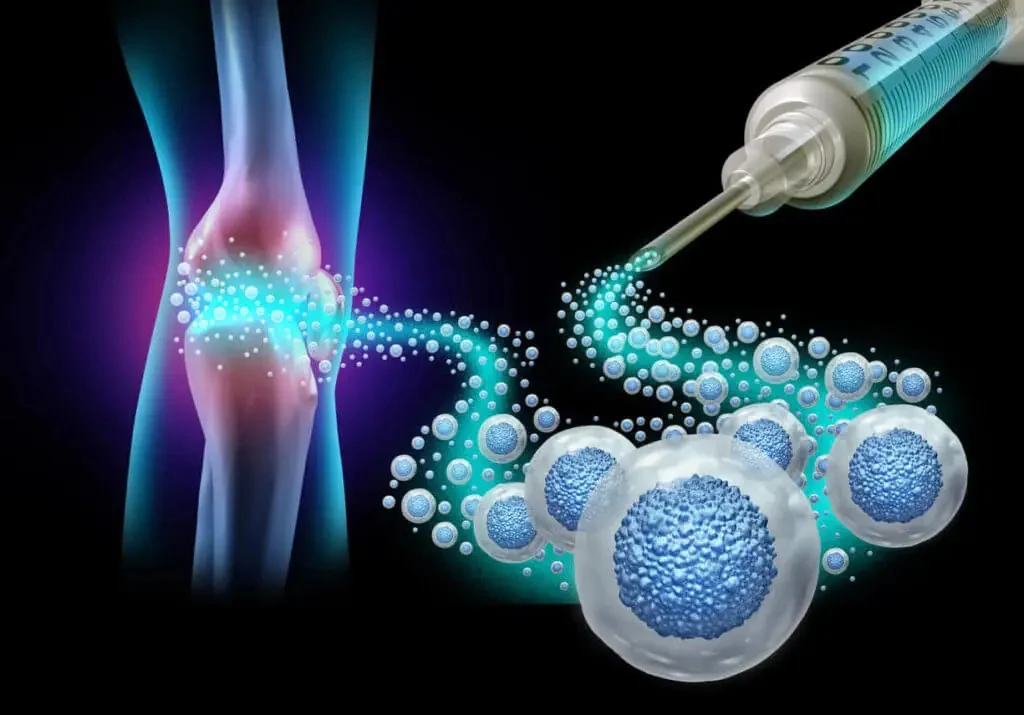
These cells play a central role in regenerative medicine because of their unique ability to self-renew and differentiate into various types of cells. Their primary value is in repairing or replacing damaged tissues.
Book an AppointmentRegenerative cell therapy for joints, tendons and healthy aging, personalized and overseen by Dr. Loera.
These cells play a central role in regenerative medicine because of their unique ability to self-renew and differentiate into various types of cells. Their primary value is in repairing or replacing damaged tissues.
Book an AppointmentExplore by condition
Pick the page that matches your situation. Each one explains how the treatment works, who it suits, what a visit involves and the questions we hear most.
Muse cells are stress-tolerant stem cells that naturally home in on injured tissue. Learn how MUSE therapy works, who it may help and what a visit involves.
Explore treatmentStem cell injections for knee osteoarthritis aim to ease pain, calm inflammation and help you move again without surgery.
Explore treatmentRegenerative injections for rotator cuff tears, tendinitis, bursitis and shoulder arthritis, aimed at healing the tissue instead of just numbing the pain.
Explore treatmentRegenerative injections for tennis elbow, Achilles and patellar tendinitis, plantar fasciitis and ligament sprains that have stalled despite rest and therapy.
Explore treatmentMesenchymal stem cells (MSCs) are the most studied cells in regenerative medicine. Learn where they come from, how they work and what MSC therapy involves.
Explore treatmentInvestigational treatments for:
Modulate immune response in conditions like:
Often with mesenchymal stem cells (MSCs), which have strong anti-inflammatory properties
Good to know
Stem cells are specialized cells with the unique ability to self-renew and develop into different types of cells. They are widely used in regenerative medicine to help repair, replace, and regenerate damaged tissues.
Stem cell therapy is commonly used for orthopedic injuries, osteoarthritis, tendon and ligament damage, autoimmune diseases, wound healing, and certain cardiovascular conditions. It is also being studied for neurological and lung disorders.
Stem cells promote healing by supporting tissue repair, reducing inflammation, and stimulating the body's natural regenerative processes. Their effects depend on the condition being treated and the type of stem cells used.
Mesenchymal stem cells (MSCs) are commonly sourced from bone marrow, adipose tissue, or umbilical cord tissue. They are widely used for their regenerative and anti-inflammatory properties in orthopedic and autoimmune conditions.
Hematopoietic stem cells (HSCs) are blood-forming stem cells found in bone marrow and cord blood. They are primarily used to treat blood disorders and certain immune system diseases.
Stem cell therapy may support cartilage repair, reduce inflammation, and improve joint function in some patients with knee osteoarthritis. Suitability depends on the severity of the condition and a medical evaluation.
Yes. Stem cell therapy is often considered for tendon injuries, ligament tears, muscle damage, and other musculoskeletal conditions to promote tissue healing and recovery.
Stem cell therapy is currently being investigated for neurological conditions such as spinal cord injuries, Parkinson's disease, multiple sclerosis, and stroke recovery. Many of these applications are still under clinical research.
Mesenchymal stem cells may help regulate the immune response and reduce inflammation in autoimmune conditions such as rheumatoid arthritis, Crohn's disease, and lupus. Treatment recommendations depend on individual patient needs.
Stem cells are being used and studied to help repair heart tissue after a heart attack and improve blood circulation in certain cardiovascular conditions, including peripheral artery disease.
Stem cell-based regenerative treatments are used in aesthetic medicine for skin rejuvenation, hair restoration, anti-aging therapies, and promoting the healing of chronic wounds.
Stem cell therapy is an emerging area of research for lung conditions such as COPD, pulmonary fibrosis, and lung damage following COVID-19. These treatments are still under investigation in many cases.
Eligibility depends on your medical history, diagnosis, overall health, and treatment goals. A specialist consultation is necessary to determine whether stem cell therapy is an appropriate option.
When performed by qualified medical professionals using appropriate protocols, stem cell therapy is generally considered safe. However, like any medical procedure, it carries potential risks and should be discussed with your healthcare provider.
Recovery and treatment outcomes vary depending on the condition being treated and the individual patient. Some people notice improvements within weeks, while others may experience gradual benefits over several months.
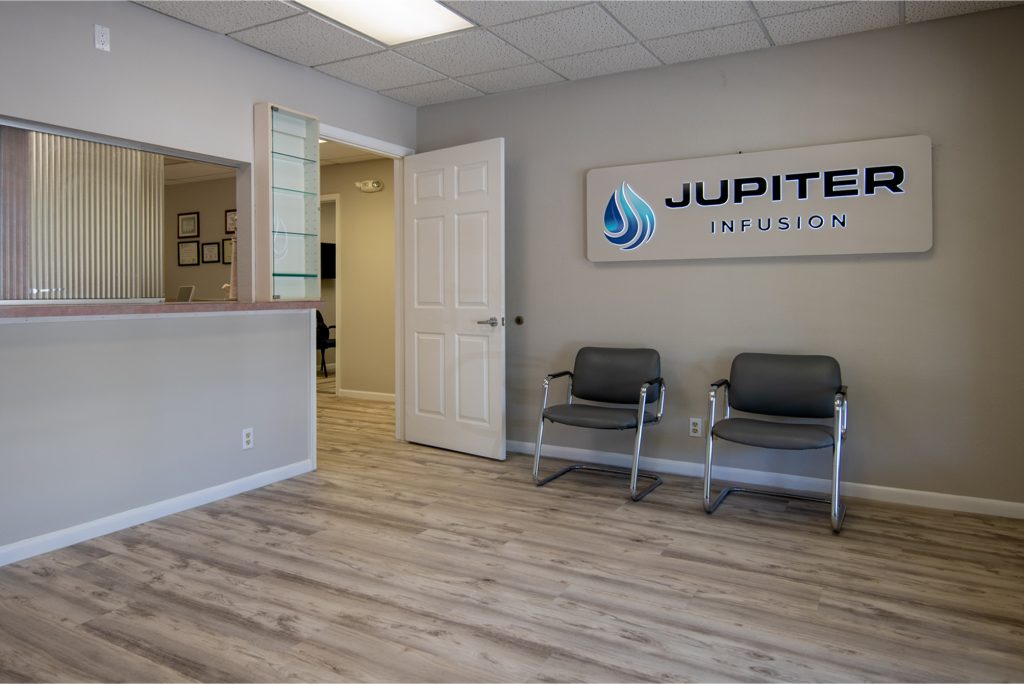
Personalized care from a board-certified physician in a private, relaxing suite.
Visit us
By Appointment Only
We and the services embedded in this site — analytics, advertising, booking, maps and translation — collect information about your visit, including your IP address, your browser and the pages you view. Some of that information is shared with those companies. This happens as you browse. Read our Privacy Policy.