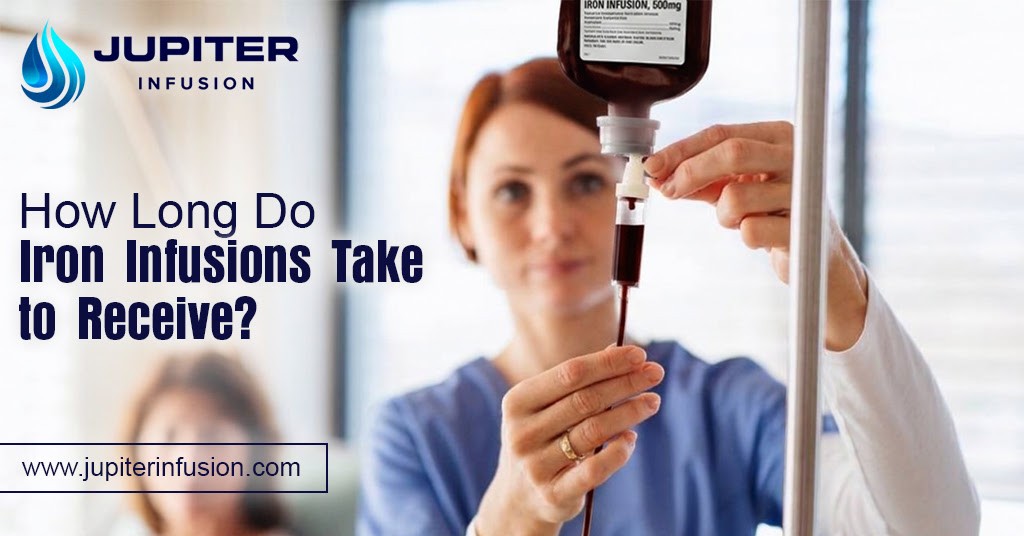
Iron infusions themselves can be as short as 15-30 minutes for the drip itself, though some kinds of iron can take much longer, even hours. The appointment is longer than the drip, though, because you need to check in, have your vitals checked, answer questions about allergies and past reactions, have your IV line put in, and spend at least half an hour under observation after the drip is finished. So, a full appointment can take an hour, or even 3-5 hours.
Why does this matter? Well, you're probably reading this because you're feeling tired, foggy, and low on energy, and you're trying to figure out how to balance getting your iron infusion with other responsibilities like work shifts, school runs, and childcare. You want to be able to book time off, schedule a sitter or ride, and make sure that you can get your iron infusion without unexpected delays or setbacks making it worse when you're already feeling worn down.
And, of course, some treatment plans may require more than one visit, so it's worth knowing how long you'll be tied up. First, though, it's worth knowing why you're getting IV iron instead of just taking pills, so let's talk about that.
Why Does IV Iron Work Better Than Pills?
Generally, IV iron is provided when iron pills fail to do the trick. This can happen in a few different ways.
First, you might have taken iron pills. But they didn't work because your body has trouble absorbing iron. This can be caused by celiac disease, inflammatory bowel disease, gastric bypass, and more.
Second, you might have tried iron pills. But they upset your stomach. Common side effects of iron pills include constipation, nausea, cramps, and dark stools.
Third, you might have tried iron pills. But they took too long to work. Iron pills can take as long as three months to replenish your iron stores.

Why would the speed of your treatment matter? It can matter in a few different situations, including:
- Late pregnancy
- If you're about to undergo surgery
- If you have ongoing heavy bleeding
- If you have chronic kidney disease, especially if you're on dialysis
IV iron is faster because it bypasses the gut and provides more iron directly.
If you're considering giving up on iron pills, don't do it without consulting your doctor. Giving up on iron pills can make your anemia worse. Instead, your doctor may recommend changing the dose, the timing, or the type of iron you're taking.
How Long Does the Iron Drip Last?
If you want a quick and simple answer, it's this: the iron drip itself usually takes less than an hour.
At Jupiter Infusion, our iron drip takes around 20-30 minutes. In general, the drip itself can take anywhere from 15 minutes to several hours, depending on the specific iron product being used and the amount being administered.
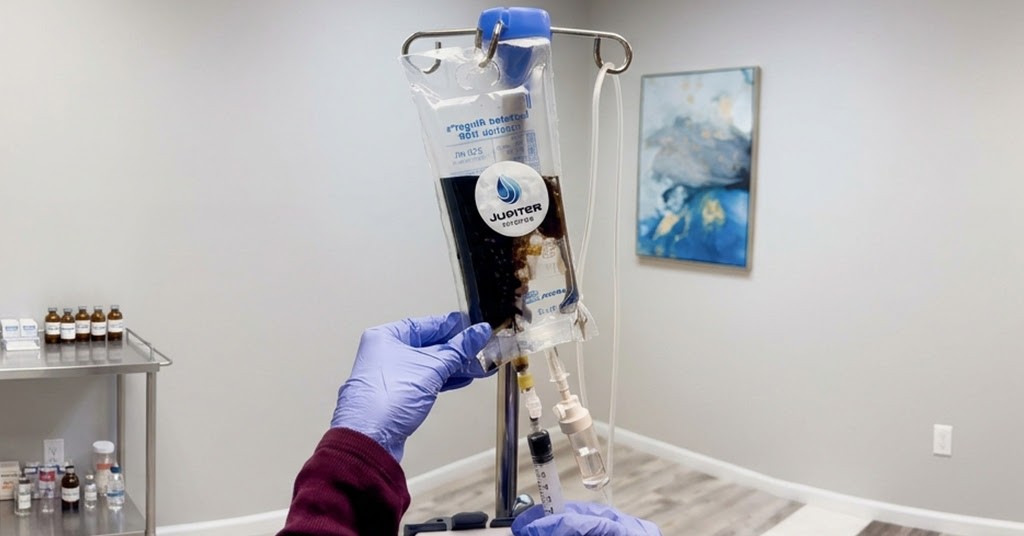
However, the drip itself is just one part of the visit. You'll need to check in and get your vitals checked before the drip is started. You'll also need to have an IV line placed in your arm or hand, and you'll need to be observed after the infusion is complete, often for at least half an hour, to ensure there are no rare allergic or infusion reactions. All of this will be discussed in greater detail in the coming sections.
Why a Shorter Drip Helps
If you're nervous about needles, you might be wondering how a shorter drip can be beneficial. After all, the needle is only used to insert the thin, flexible catheter into your vein, and the metal needle is removed - the soft catheter is what remains in your arm. So, why would a shorter drip be better?
It all comes down to the amount of time the IV line is in your arm. The longer it takes to administer the iron, the longer you need to have an IV line in your arm.
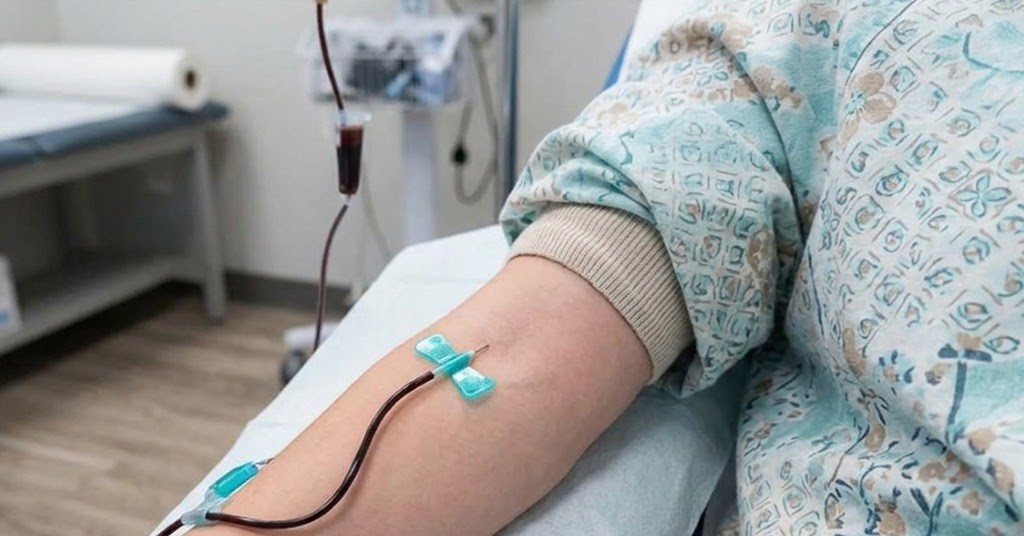
How long the drip takes depends on the iron product:
- Injectafer is usually infused over a period of at least 15 minutes
- Monoferric in a 1,000 mg dose is administered over 20+ minutes
- Iron dextran total-dose infusions can take 4-6 hours to administer
- Iron sucrose is frequently given in multiple shorter sessions
Moreover, if you experience symptoms like flushing, itching, chest tightness, or difficulty breathing, the medical staff may slow or stop the drip. Make sure to report any such symptoms as soon as you notice them.
How Long Your Iron Type Takes
The speed at which an iron infusion is delivered is determined by the FDA-approved label for the product being used.
A critical detail is the way the iron is bound to the carbohydrate shell that encapsulates it. When the iron is tightly bound, it takes longer to be released, and so larger doses can be tolerated more quickly.
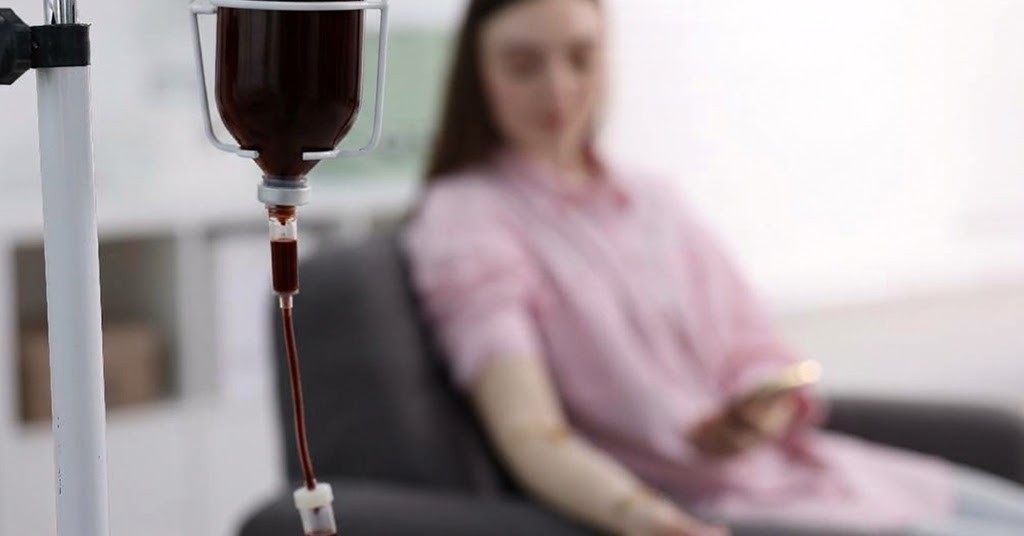
Injectafer, which uses ferric carboxymaltose, is administered over the course of at least 15 minutes. The dose is 750 mg of iron, and you will receive two doses at least 7 days apart. Usually, this means you will be in the chair for around 15-30 minutes.
With iron sucrose, larger doses, such as 400 mg, are labeled for administration over the course of 2.5 hours. Your visit could take 2-3 hours, and you may need five sessions to get to the same 1,000 mg dose as the other products.
Monoferric, which uses ferric derisomaltose, is a relatively new product approved by the FDA in January 2020. It is labeled for a single dose of 1,000 mg, administered over the course of at least 20 minutes. This means you can often get a full replacement in a single visit.
The older iron types, which take longer to administer, are more loosely bound and have a higher risk of reaction. Iron dextran is one example.
Other Factors Your Doctor Considers
Your doctor may also need to consider other factors. Injectafer has been associated with low phosphate levels, which can be a consideration for repeat doses.
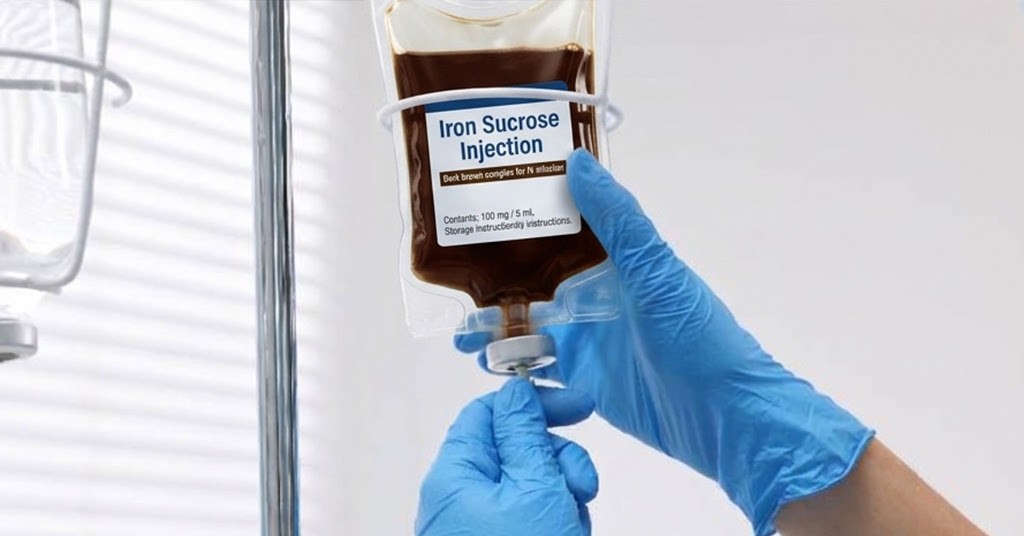
Additionally, insurance companies may require you to try a cheaper iron product like iron sucrose before they will pay for a newer product. Your iron infusion clinic should be able to tell you which product they have on order, which can give you an idea of how long you'll need to spend in the chair.
What Happens Before Your Iron Infusion Begins?
In many cases, the time between arriving at your infusion clinic and actually starting the drip can be around 15-30 minutes, depending on the clinic and the procedures they follow.
Usually, you'll need to check in, provide identification, provide insurance information, and sign a consent form. Some clinics may also have to verify that your doctor has ordered the infusion and confirm the dose they're giving you. You'll likely have your weight taken, as well, because some iron infusions are calculated based on weight. For example, ferric carboxymaltose is dosed at 15 mg per kilogram of body weight for individuals under 50 kg.

Your medical team will also need to take a baseline set of vitals, including blood pressure, pulse, temperature, and oxygen saturation. These are important to have on hand to monitor for any changes throughout the infusion that might indicate a reaction.
If you have a fever or an active infection, they may not want to start your infusion yet, so be aware of that possibility.
Questions About Allergies and Pregnancy
You will likely be asked a few questions, including whether you have any drug allergies, whether you've ever had a reaction to iron before, and whether you have a history of asthma, eczema, or other allergies. People with these conditions are at higher risk of a reaction.
You'll also be asked if you're pregnant, since IV iron is not recommended for use in the first trimester of pregnancy. You may also be asked about any medications you're currently taking, and whether or not you're taking oral iron supplements.

In the past, some iron infusions (specifically the old iron dextran, INFeD) required a small 25 mg test dose before starting the full infusion to make sure you didn't have a reaction. Modern iron infusions like Venofer, Injectafer, and Monoferric do not require a test dose.
For a long time, it was also common to take an antihistamine before your infusion. However, this is generally not recommended. Antihistamines like diphenhydramine can cause flushing and low blood pressure, which can be mistaken for a reaction to the iron infusion.
Before starting your iron infusion, you'll need to have an IV placed. This is a small cannula placed in a vein, usually in the hand or forearm. The medical professional will then flush the line with saline to make sure it's seated properly. This is important because if your iron infusion leaks out of your vein (extravasation), it can stain your skin brown for months or longer. So, it's important to take your time and make sure the IV is properly placed - rushing can cause a poorly-seated IV.
How to Prepare for Your Appointment
One thing that can cause delays is dehydration, which can make it harder to find a vein and can lead to more needle attempts to find a vein. Before your appointment, consider the following: Eat a normal meal before your appointment, unless instructed otherwise. Drink water in the hours before your appointment.

Take your normal medications, unless you're instructed otherwise. Wear something with short or loose sleeves, so your arm is easily accessible. Bring layers or a blanket - infusion rooms are often cold.
Bring something to do, something to watch on your phone (downloaded shows work well), a phone charger, and headphones. Arrive early, bring a list of your medications, and consider bringing someone with you.
Iron deficiency is exhausting, and that exhaustion makes it harder to sit and wait. So, plan for it.
The Short Wait After Your Infusion
When you're done with the infusion, you'll usually be kept for observation for at least half an hour. This is primarily to monitor you for signs of hypersensitivity or allergic reaction, so they can be treated early. Your blood pressure and pulse will also be checked again to make sure you're good to go before you're allowed to leave.

The chances of something going seriously wrong are low. The risk is highest with the older high-molecular-weight iron dextran. But even then, it's not that common.
Another possible reaction is the Fishbane reaction, which is characterized by facial flushing, muscle or joint aches, or a feeling of tightness in the chest or back. This reaction is usually self-limiting and will resolve within minutes, often after simply pausing the infusion.
In the FIRM trial, Adkinson et al. (2018) compared ferumoxytol and ferric carboxymaltose in nearly 2,000 adults and found similar rates of moderate-to-severe hypersensitivity reactions or hypotension (0.6% and 0.7%, respectively).
How Many Visits Will You Need?
This all depends on a few factors. But primarily, it depends on what kind of iron you're getting.
The average adult iron deficit can be as much as 1,000 mg of iron. Some of the newer iron products allow for a larger dose to be given in one sitting, such as:
Ferric derisomaltose (Monoferric/Monofer) - up to 1,000 mg of iron in a single infusion. Ferumoxytol (Feraheme) - a single dose of 1,020 mg of iron, or two doses of 510 mg of iron separated by 3-8 days. Ferric carboxymaltose (Injectafer) - the label for use in the US recommends two 750 mg doses of iron separated by at least 7 days.
Ferric carboxymaltose (Ferinject) - a product available in Europe, which can give up to 1,000 mg of iron per weekly infusion. Other, older iron products are limited to smaller amounts of iron per visit, such as: Iron sucrose (Venofer) - 200 mg doses of iron given in five visits over 14 days for non-dialysis kidney disease. Sodium ferric gluconate (Ferrlecit) - 125 mg of iron per session, for around eight sessions.

Depending on your insurance provider and coverage, you may be forced to use an older, cheaper iron product, which means more visits.
Remember, each visit means another check-in, another IV placement, and another infusion and watch period. This can be important if you need to adjust your work schedule, make childcare arrangements, or drive a long way to your infusion center. It may be worth asking which product will be used and how many visits you will need to attend before you schedule your appointment.
It's also important to remember that if you miss a session, you won't get your full dose of iron, and your iron stores will only be partially refilled. You will also typically need to have your ferritin and transferrin saturation checked again in about 4-8 weeks, and if you miss that follow-up blood test, you won't know if your iron stores were successfully filled or if there's an underlying cause you missed.
How Long Until You Feel Better
Many people hope that, after getting their iron infusion, they'll feel like a new person the moment they walk out of the clinic. Unfortunately, that's not how it works.
Most people start to feel more energy after 2-4 weeks. Some may feel subtle changes sooner; others may take a little longer.

Your iron stores (ferritin) will take 1-3 months to refill completely.
Well, the iron is given to your body. But your bone marrow still needs to use it to produce new red blood cells. The iron is used as part of hemoglobin, the protein that carries oxygen in your blood.
A red blood cell takes about a week to produce and mature in the bone marrow, and lives for around 120 days. So, it's a gradual process of replacing red blood cells. Your hemoglobin will slowly increase, and by around 4 weeks, it will have increased enough that you start to feel the difference.
Your doctor will likely want to order blood work as well, to measure your hemoglobin (in a complete blood count) and your ferritin and transferrin saturation. This is generally done around 4-8 weeks after the last infusion, to give your body time to stabilize - ferritin levels will be artificially high immediately after an infusion.
Feel Calm and Ready for Your Iron Infusion
While the drip itself is frequently just 15-30 minutes, and here at Jupiter Infusion is around 20-30 minutes, the whole process is longer. You have to check in, have your vitals checked, have the IV placed, and then sit for at least 30 minutes after the infusion. Plan on spending an hour or so at your appointment, though it can be 3-5 hours for some products.
If you're scheduled for an iron infusion, you can ask your doctor a few questions to help prepare. What kind of iron product will you be receiving? Is it a common one like Injectafer, Monoferric, or Venofer? How many sessions will you need to reach your full dose? Does your insurance require you to try iron sucrose first? Do you need to stop taking oral iron supplements, or can you keep taking them? When should you come back for follow-up blood work to check your iron levels?
Remember, while serious reactions are very rare, your staff will be monitoring your vitals throughout the drip, so if you feel any flushing, itching, chest tightness, or other symptoms, let them know immediately. They can slow or stop the infusion as necessary.

Water, a snack, a book, or layers of clothing to adjust for temperature can all help you feel more comfortable.
If you're in the Jupiter area in Florida and need an iron infusion, consider Jupiter Infusion. We provide physician-led care under the guidance of our board-certified physician, Dr. Loera. Our personalized care plans and attentive guidance will help you get through your first visit and beyond.
To get started, book your appointment online today, and follow our blog for more tips, tricks, and insights into a longer and healthier life.